Description
Premium DSIP 2mg Peptide | Risks, Facts & Complete Research Guide
Premium DSIP 2mg peptide is a research compound that scientists study for its connection with sleep-related mechanisms, neuroendocrine signaling, and biological pathways. Researchers continue exploring DSIP peptide because it provides valuable insights into peptide activity and nervous system communication. This complete guide explains DSIP facts, research areas, storage information, potential risks, and frequently asked questions.
What Is DSIP 2mg Peptide?
DSIP 2mg peptide (Delta Sleep-Inducing Peptide) is a naturally occurring peptide discovered during sleep research studies. Scientists investigate DSIP to understand how peptides interact with sleep patterns, stress responses, and neurological processes.
Furthermore, researchers use DSIP peptide in controlled laboratory studies to examine its role in biological signaling. As research continues, scientists aim to better understand the mechanisms behind this unique peptide.
DSIP Peptide Research and Scientific Interest
Scientists explore DSIP peptide in several research areas, including:
- Sleep cycle and circadian rhythm studies
- Neuroendocrine communication research
- Stress-response pathway investigations
- Peptide signaling analysis
Additionally, researchers examine how DSIP interacts with different biological systems. However, scientists continue conducting studies to determine its complete range of properties and functions.
DSIP 2mg Peptide Risks and Considerations
Researchers should consider several factors when working with DSIP 2mg peptide. For example, improper storage or handling may affect peptide quality and research consistency.
Potential considerations include:
- Storage conditions can influence peptide stability
- Poor handling practices may introduce contamination risks
- Research results can vary depending on laboratory conditions
- Long-term scientific data remains limited
Therefore, researchers should follow proper laboratory procedures and maintain appropriate handling standards during peptide studies.
How to Store DSIP ?
Proper storage helps maintain the quality of DSIP peptide. Researchers should follow the manufacturer’s storage recommendations and protect the peptide from heat, moisture, and unnecessary temperature changes.
Moreover, maintaining proper storage conditions helps preserve peptide integrity and supports reliable research outcomes.
Why Choose Premium DSIP 2mg Peptide?
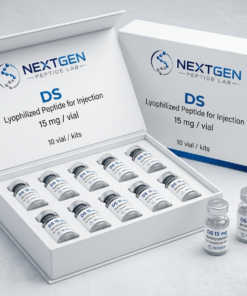
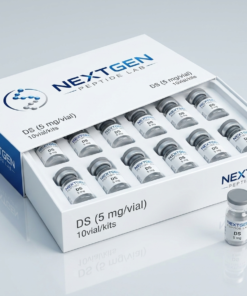
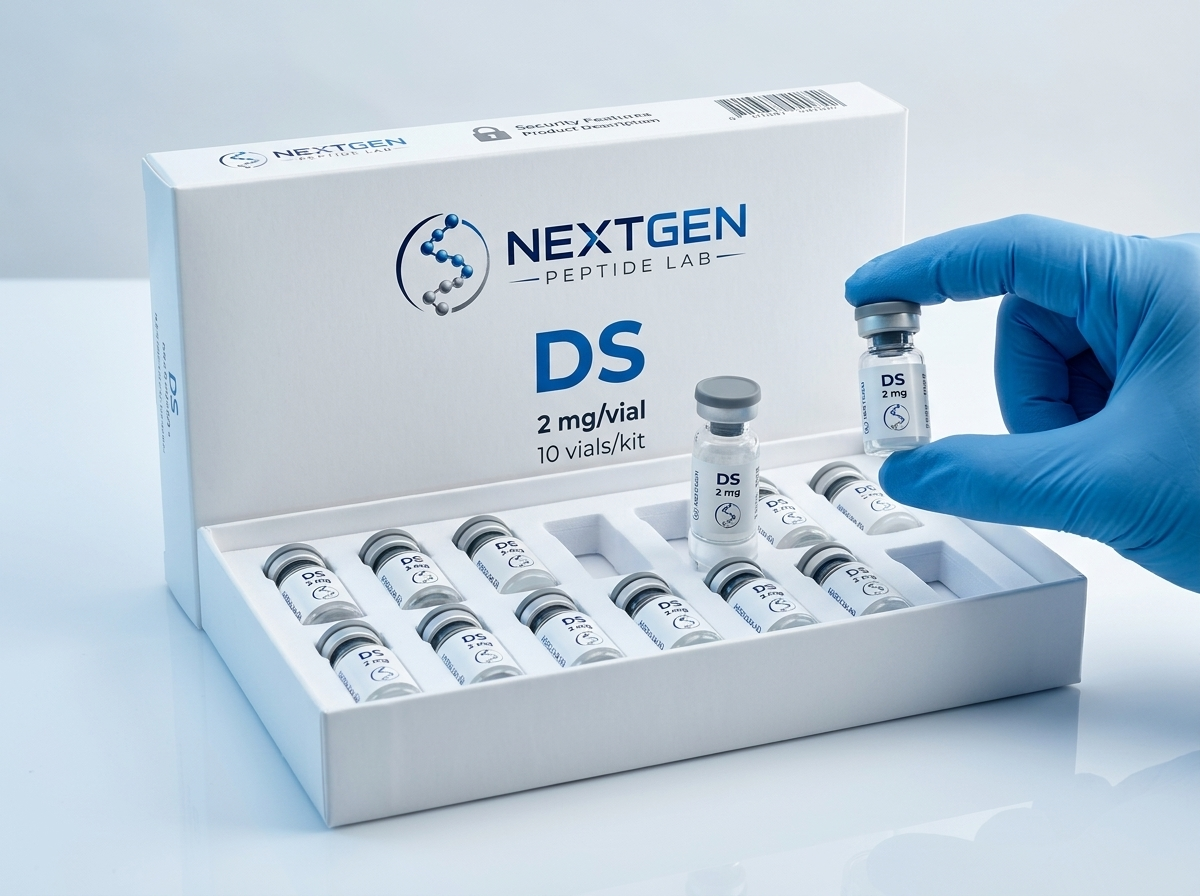
Premium DSIP 2mg peptide provides researchers with a carefully prepared product for laboratory investigations. Additionally, quality control measures, secure packaging, and reliable sourcing help researchers maintain consistency throughout their studies.
Frequently Asked Questions (FAQ)
What is DSIP peptide?
DSIP peptide is a research peptide studied for its relationship with sleep mechanisms, neurological pathways, and neuroendocrine signaling.
What does DSIP research investigate?
DSIP peptide research examines peptide activity, biological communication, sleep-related pathways, and stress-response mechanisms.
How should DSIP be stored?
Researchers should store DSIP peptide according to supplier instructions while protecting it from heat, moisture, and improper handling.
Is DSIP peptide approved for human use?
No. DSIP peptide products are intended only for laboratory research purposes and are not approved for human consumption, diagnosis, or treatment.
What makes Premium DSIP peptide suitable for research?
Premium DSIP peptide focuses on quality preparation, secure packaging, and research applications to support scientific studies.
Disclaimer: Premium DSIP Peptide is intended strictly for laboratory research purposes only. It is not approved for human use, medical treatment, or disease prevention.